 Spell 5 min read
I joined Spell at Series A as the company's first designer and helped mature a deeply technical MLOps startup into an enterprise-ready platform acquired by Reddit in 2022. Over three years, I owned design across product, research, brand, marketing, and enterprise sales support — building the design function while also shipping the work.
Spell was building infrastructure for machine learning teams, but there was no design organization, no research practice, and no shared system for turning a deeply technical product into a coherent experience.
As the company's first and only designer, I treated design as a company function — not just a product service. I built the research loop, shaped core workflows, codified product and brand patterns, and supported the surfaces Spell needed to sell to technical and enterprise audiences.
Spell matured from an early-stage technical startup into an enterprise-ready AI platform, culminating in acquisition by Reddit in 2022.
Machine learning teams were stitching together tools for training, experiment tracking, deployment, infrastructure management, and collaboration. Spell's opportunity was not to hide that complexity — expert users still needed control, visibility, and technical depth.
The design challenge was to reduce operational drag without reducing power.
At the same time, Spell needed to feel credible to enterprise buyers, investors, and technical teams evaluating whether a small startup could support serious AI infrastructure work.
So the job was bigger than designing screens. I had to build the design function the company did not yet have.
There was no research function when I joined, so I built research directly into the product process: customer interviews, workflow analysis, usability testing, competitive reviews, and enterprise discovery.
The signal became consistent:
ML teams were losing context between experiments.
Teams lacked visibility into what others were running.
Reproducibility depended too heavily on memory and manual documentation.
Infrastructure workflows were powerful, but hard to understand at a glance.
Spell needed to feel trustworthy to both hands-on engineers and enterprise buyers.
Q4 2020 · Experiment Management research · customer interviews
“Every time I want to go back to a run, I'm basically reading my own mind from two weeks ago.”
Experiment tracking lived in notebooks and shared spreadsheets. Reproducibility was a memory problem, not a data problem.
 Voice AI Startup
“I have no idea what my teammate is running or why their numbers were better than mine.”
No visibility across the team. No way to understand what a teammate had tried — or why their numbers were better.
 Computer Vision
The signal was clear: ML teams were not asking for simpler tools. They needed a clearer operating layer around complex work.
The research became shared models the team could design and build from.
The research did not stay as interview notes. I translated recurring customer pain into working models for the team: personas, workflow maps, run states, table structures, filters, and deployment paths. That became the bridge between what customers were struggling with and how the product needed to work.
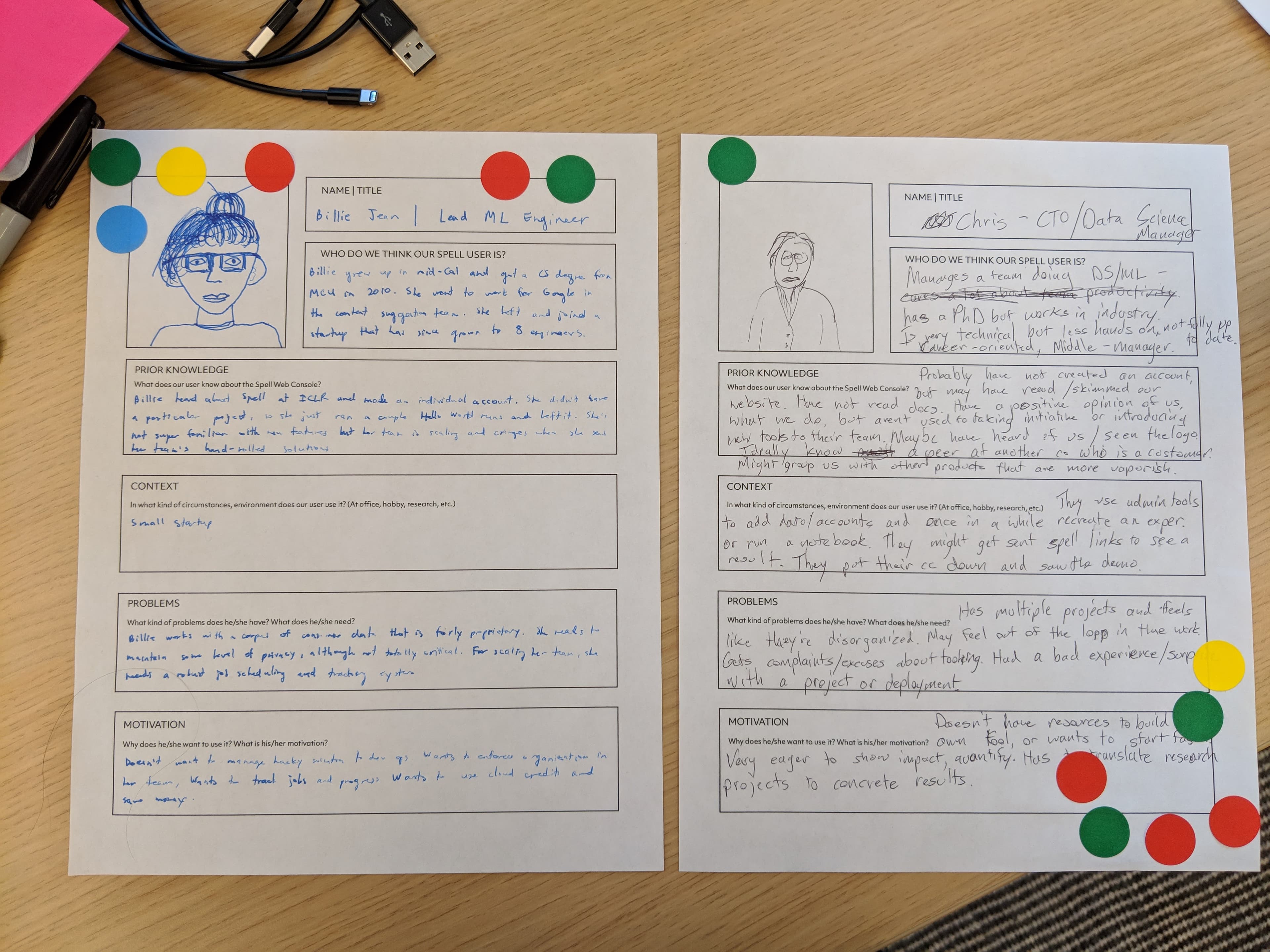
Persona workshop
Translating customer patterns into the ML engineer and CTO models that shaped early product priorities.
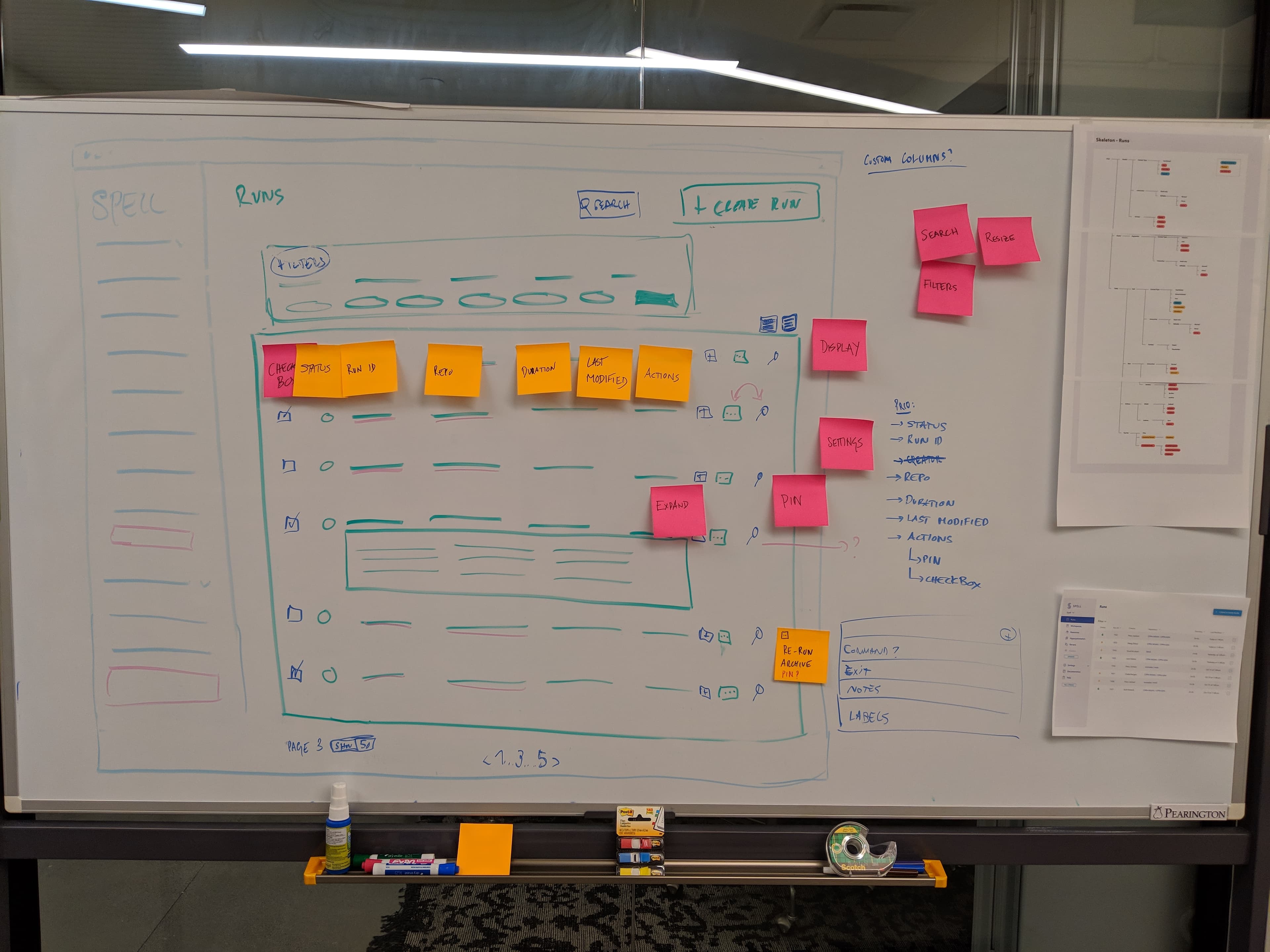
Runs workflow mapping
Mapping run states, filters, bulk actions, metrics, and deployment paths before committing the workflow to UI.
The core product work focused on three problems research kept surfacing.
Spell's users were technical ML teams — not individuals working alone. The product had to work for the person running the experiment and for the person trying to understand what their teammate ran last week.
Three problems came up in every research conversation. We designed directly for all three.
Multiple people could run experiments simultaneously and see all activity in one place — who ran what, with what config, and what the results were. No more reconstructing context from Slack threads and shared notebooks.
Recreating a run that worked — with the right model version, hyperparameters, mounted artifacts, and training configuration — had previously meant connecting the dots across multiple tools. Spell connected them for you.
Comparing performance across runs used to mean exporting data and loading it somewhere else. The metrics view made it immediate and in-context — multiple runs, multiple metrics, no spreadsheets.
Expert controls stayed available. But unnecessary operational friction — setup steps, configuration overhead, workflow gaps between tools — was removed wherever possible.
Workspace overview
One place to see all run activity, machine usage, and deployed models across the team — who ran what, when, and what the results were.
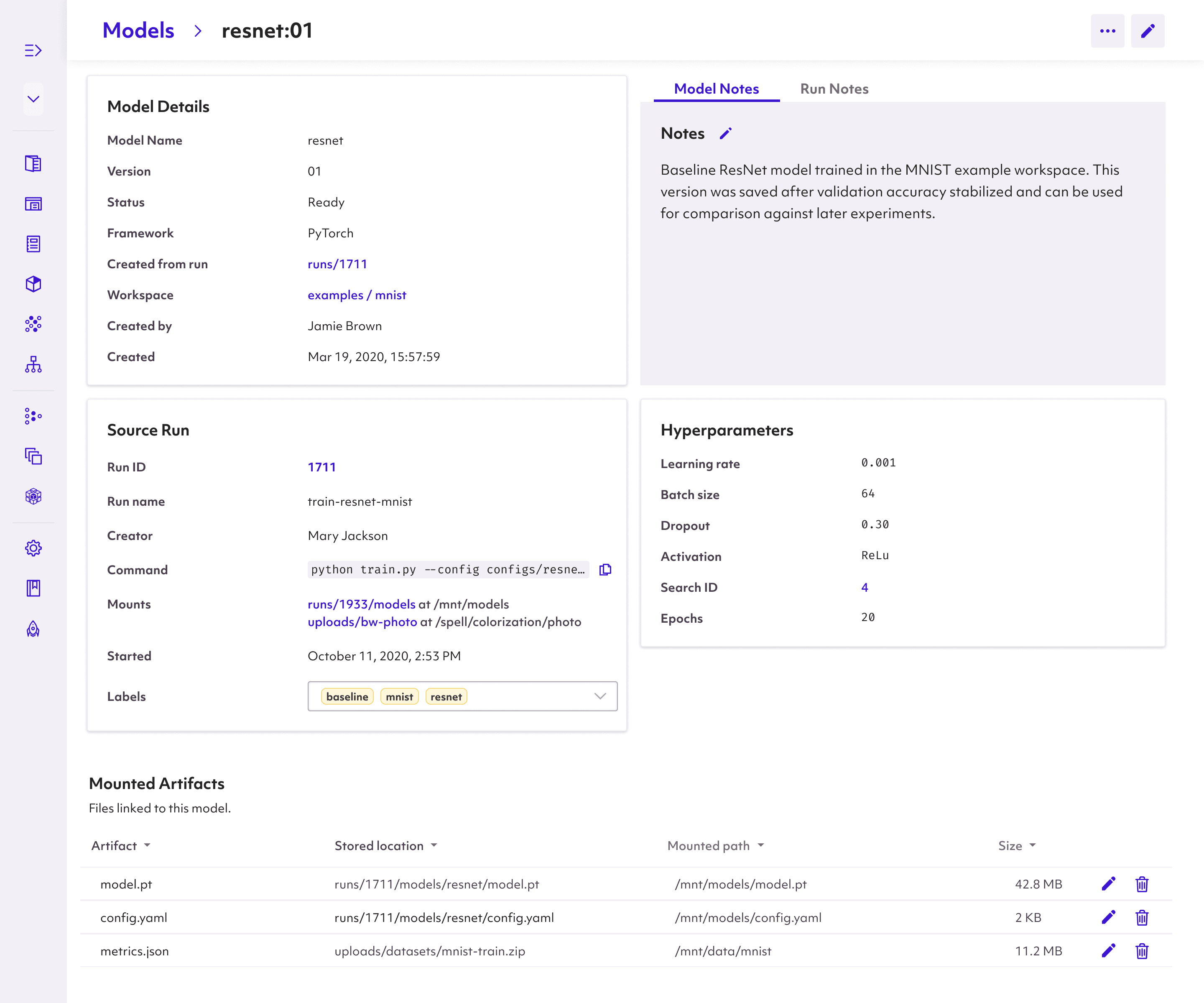
Model details
Training configuration, hyperparameters, mounted artifacts, and metadata in a single view. Everything needed to reproduce a run, already connected.
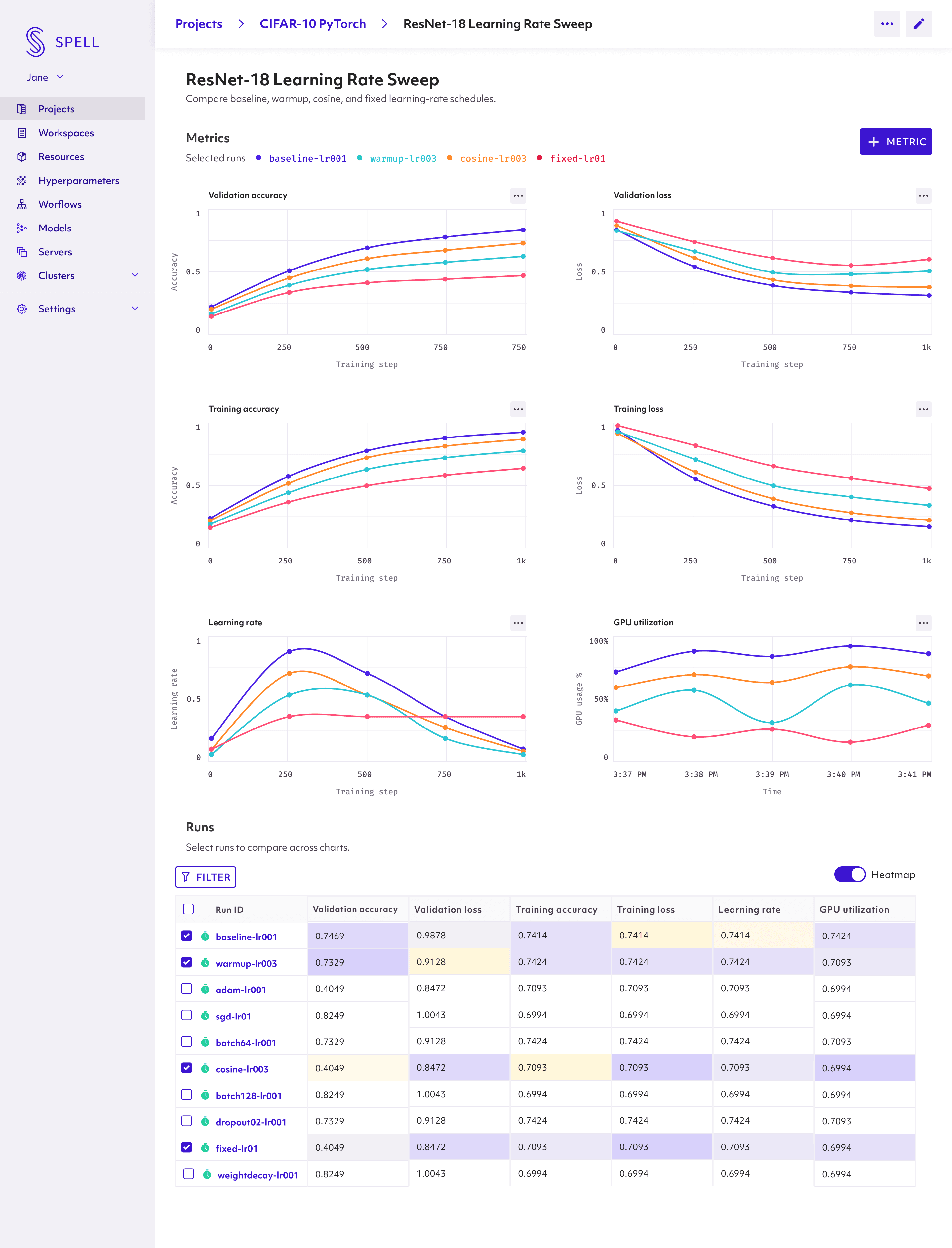
Metrics view
Compare run performance across experiments without exporting data or loading it into another tool.
Consistency had to become repeatable — not dependent on one person's memory.
As Spell grew, the product surface, website, marketing materials, sales collateral, and customer-facing stories all needed to feel coherent. I codified the product and visual decisions that kept the experience consistent across surfaces — not as a decorative exercise, but as a way to reduce repeated decisions and keep the company moving.
There was early visual direction and a loose product UI, but not yet a shared system for how decisions should be made across surfaces. As the only designer, I needed to make consistency repeatable without becoming a bottleneck.
The goal was not just consistency. It was leverage: a way for one designer to support product, brand, marketing, and sales without every surface being redesigned from scratch.
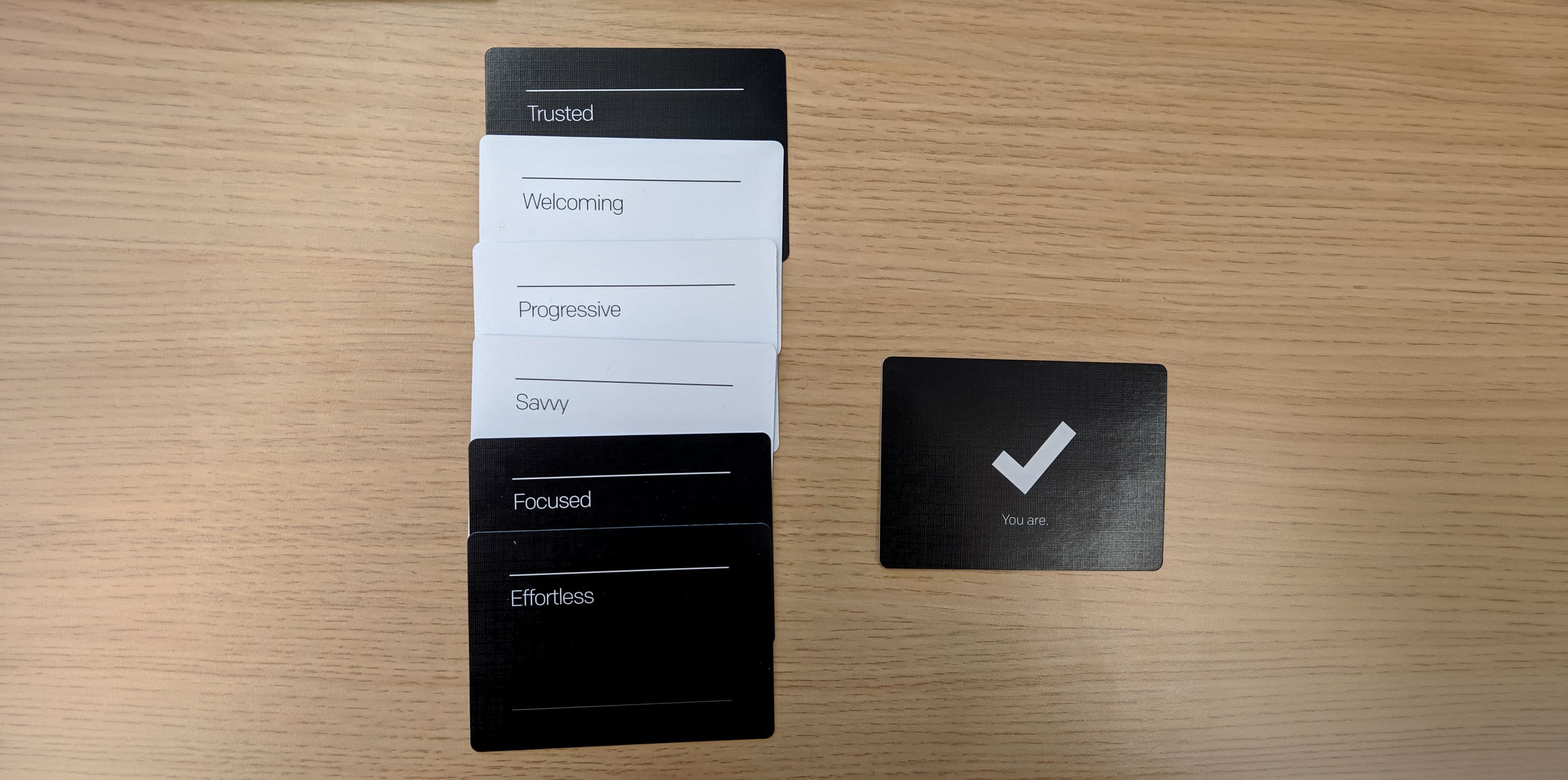
Brand values workshop
Aligning the team on how Spell should feel before scaling the visual language.
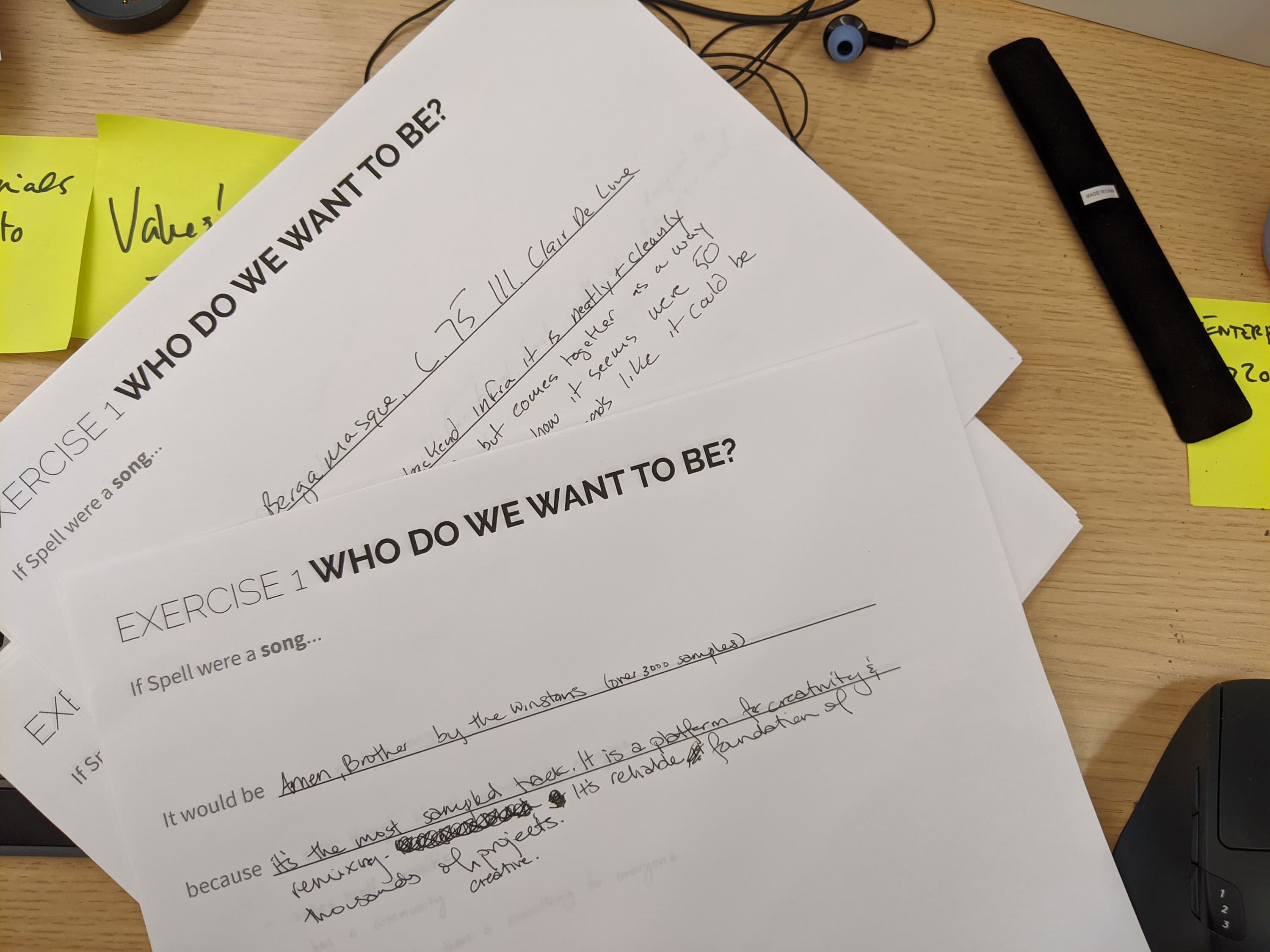
Brand direction workshop
Translating company positioning into reusable visual and voice principles.
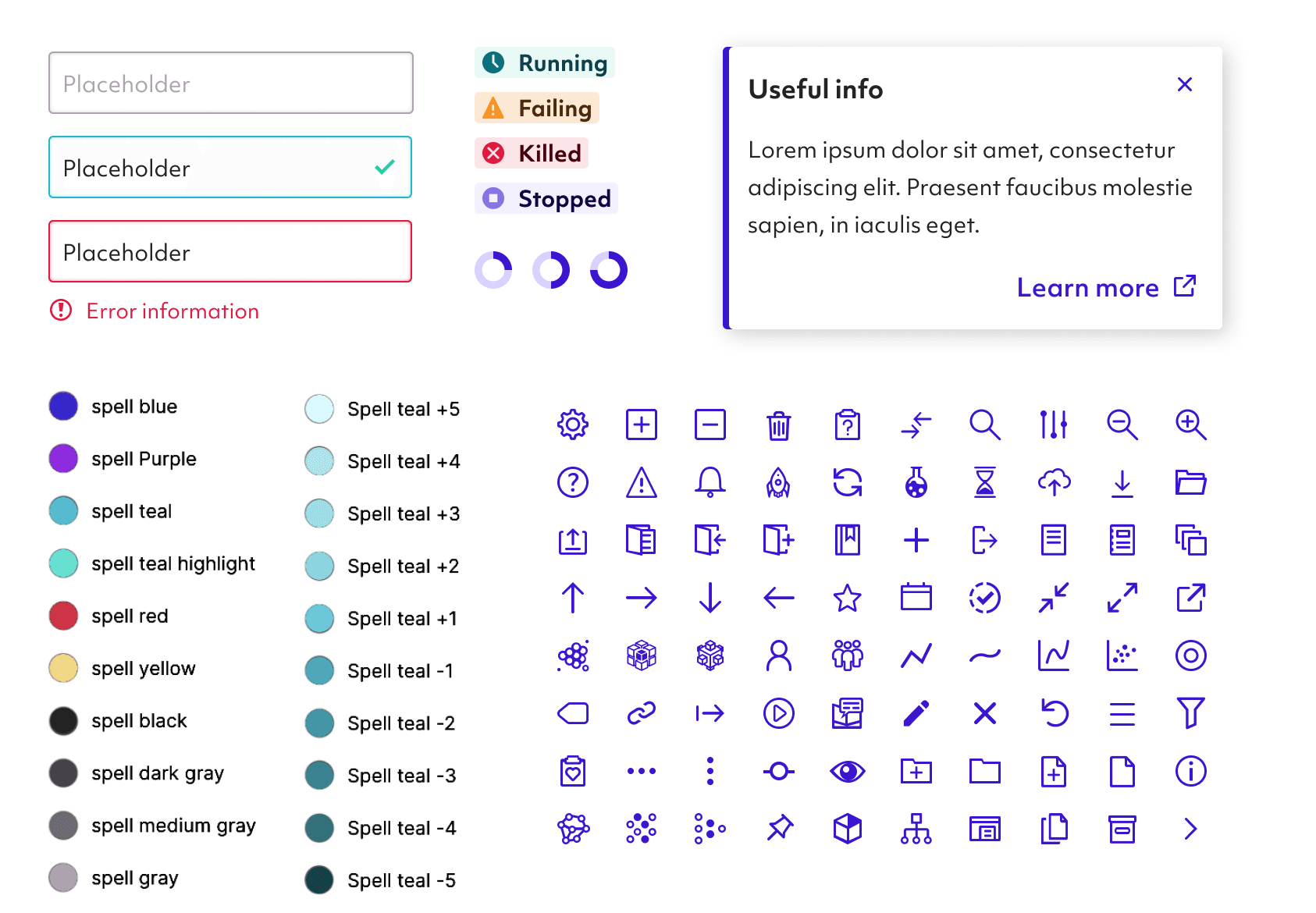
Spell design system
Tokens, patterns, spacing, and interaction rules codified so every surface — product UI, website, sales materials — could be built consistently without a designer in the loop for every decision.
The work extended beyond product because the company needed design at every customer touchpoint.
As Spell moved toward larger customers, design needed to support more than the console. Enterprise buyers encountered the company through the website, pitch materials, documentation, demos, case studies, onboarding flows, and sales conversations.
I helped connect those surfaces so Spell felt like one company, not a collection of disconnected startup artifacts.
needed confidence that the platform respected their workflows.
needed to understand reliability, scale, and team visibility.
needed materials that made the product easier to explain.
needed a brand system that could support more mature positioning.
needed patterns that could be implemented consistently.
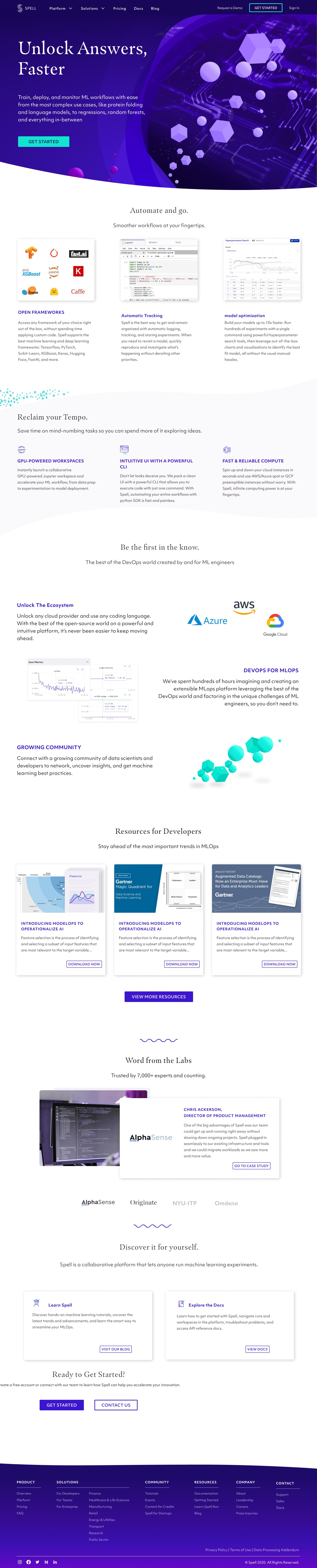
Spell website
The marketing site translated a deeply technical MLOps platform into a clear story for developers, ML engineers, and enterprise buyers — built from the same design system as the product.
Owned product design, research, brand, systems, marketing support, sales enablement, and design process as Spell's first designer.
Helped shape core ML workflows across runs, experiments, model details, infrastructure visibility, onboarding, and team collaboration.
Turned interviews, workflow analysis, usability testing, and enterprise discovery into product direction.
Codified product and brand patterns across the console, website, marketing, sales collateral, onboarding, and launch materials.
Spell evolved from a Series A startup into an enterprise-ready AI infrastructure platform acquired by Reddit in 2022.